|
Material Safety Data Sheet |
|
Formaldehyde
|
| 1. Chemical Product and Company Identification | |||
|
Synonyms:
Formaldehyde 37%; Formalin; Morbicid Acid; Methylene
Oxide; Methyl aldehyde
CAS No.: 50-00-0 Molecular Weight: 30.03 Chemical Formula: HCHO and CH3OH in water |
|||
|
Company Information: ChemicalStore.com For Information, call: (973) 405-6248 |
|||
| 2. Hazards Identification | |||
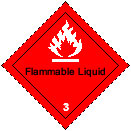
| Emergency Overview -------------------------- POISON! DANGER! SUSPECT CANCER HAZARD. MAY CAUSE CANCER. Risk of cancer depends on level and duration of exposure. VAPOR HARMFUL. HARMFUL IF INHALED OR ABSORBED THROUGH SKIN. CAUSES IRRITATION TO SKIN, EYES AND RESPIRATORY TRACT. STRONG SENSITIZER. MAY BE FATAL OR CAUSE BLINDNESS IF SWALLOWED. CANNOT BE MADE NONPOISONOUS. FLAMMABLE LIQUID AND VAPOR. |
|
|
|
| -------------------------------------------------------------------------------------------------------------------------------------------- | |||
| Health Rating: 3 - Severe (Poison) Flammability Rating: 2 - Moderate Reactivity Rating: 2 - Moderate Contact Rating: 3 - Severe (Corrosive) Lab Protective Equip: GOGGLES & SHIELD; LAB COAT & APRON; VENT HOOD; PROPER GLOVES; CLASS B EXTINGUISHER Storage Color Code: Red (Flammable) |
0 - Minimum Hazard 1 - Slight Hazard 2 - Moderate Hazard 3 - Serious Hazard 4 - Severe Hazard |
H = Health |
|
| -------------------------------------------------------------------------------------------------------------------------------------------- | |||
|
Potential Health Effects
--------------------------- Inhalation: May cause sore throat, coughing, and shortness of breath. Causes irritation and sensitization of the respiratory tract. Concentrations of 25 to 30 ppm cause severe respiratory tract injury leading to pulmonary edema and pneumonitis. May be fatal in high concentrations. Ingestion: Can cause severe abdominal pain, violent vomiting, headache, and diarrhea. Larger doses may produce decreased body temperature, pain in the digestive tract, shallow respiration, weak irregular pulse, unconsciousness and death. Methanol component affects the optic nerve and may cause blindness. Skin Contact: Toxic. May cause irritation to skin with redness, pain, and possibly burns. Skin absorption may occur with symptoms paralleling those from ingestion. Formaldehyde is a severe skin irritant and sensitizer. Contact causes white discoloration, smarting, cracking and scaling. Eye Contact: Vapors cause irritation to the eyes with redness, pain, and blurred vision. Higher concentrations or splashes may cause irreversible eye damage. Chronic Exposure: Frequent or prolonged exposure to formaldehyde may cause hypersensitivity leading to contact dermatitis. Repeated or prolonged skin contact with formaldehyde may cause an allergic reaction in some people. Vision impairment and enlargement of liver may occur from methanol component. Formaldehyde is a suspected carcinogen (positive animal inhalation studies). Aggravation of Pre-existing Conditions: Persons with pre-existing skin disorders or eye problems, or impaired liver, kidney or respiratory function may be more susceptible to the effects of the substance. Previously exposed persons may have an allergic reaction to future exposures. |
|||
| 3. First Aid Measures | |||
| Inhalation: Remove to fresh air. If not breathing, give artificial respiration. If breathing is difficult, give oxygen. Call a physician. Ingestion: If swallowed and the victim is conscious, dilute, inactivate, or absorb the ingested formaldehyde by giving milk, activated charcoal, or water. Any organic material will inactivate formaldehyde. Keep affected person warm and at rest. Get medical attention immediately. If vomiting occurs, keep head lower than hips. Skin Contact: In case of contact, immediately flush skin with plenty of water for at least 15 minutes while removing contaminated clothing and shoes. Wash clothing before reuse. Thoroughly clean shoes before reuse. Get medical attention immediately. Eye Contact: Immediately flush eyes with plenty of water for at least 15 minutes, lifting lower and upper eyelids occasionally. Get medical attention immediately. |
|||
| 4. Fire Fighting Measures | |||
| Fire: Flash point: 60C (140F) CC Autoignition temperature: 300C (572F) Flammable limits in air % by volume: lel: 7.0; uel: 73 Flammable liquid and vapor! Gas vaporizes readily from solution and is flammable in air. Explosion: Above flash point, vapor-air mixtures are explosive within flammable limits noted above. Containers may explode when involved in a fire. Fire Extinguishing Media: Water spray, dry chemical, alcohol foam, or carbon dioxide. Special Information: In the event of a fire, wear full protective clothing and NIOSH-approved self-contained breathing apparatus with full facepiece operated in the pressure demand or other positive pressure mode. Water may be used to flush spills away from exposures and to dilute spills to non-flammable mixtures. |
|||
| 5. Disposal Considerations | |||
| Whatever cannot be saved for recovery or recycling should be handled as hazardous waste and sent to a RCRA approved incinerator or disposed in a RCRA approved waste facility. Processing, use or contamination of this product may change the waste management options. State and local disposal regulations may differ from federal disposal regulations. Dispose of container and unused contents in accordance with federal, state and local requirements. | |||
|
--------------------------------------------------------------------------------------------------------------------------------------------------- *********** DISCLAIMER: New Jersey Industrial Research Center provides the information contained herein in good faith but makes no representation as to its comprehensiveness or accuracy. This document is intended only as a guide to the appropriate precautionary handling of the material by a properly trained person using this product. Individuals receiving the information must exercise their independent judgment in determining its appropriateness for a particular purpose. New Jersey Industrial Research Center is not responsible for damages resulting from use of or reliance upon this information. |
|||